
If you’re planning to sell or rent out a property in the UK, one of the first things you’ll come across is the requirement for an EPC Certificate Aylesbury. Many property owners only realise its importance when an estate agent or solicitor asks for it, but in reality, it’s a key part of compliance and can even affect how quickly your property is let or sold.
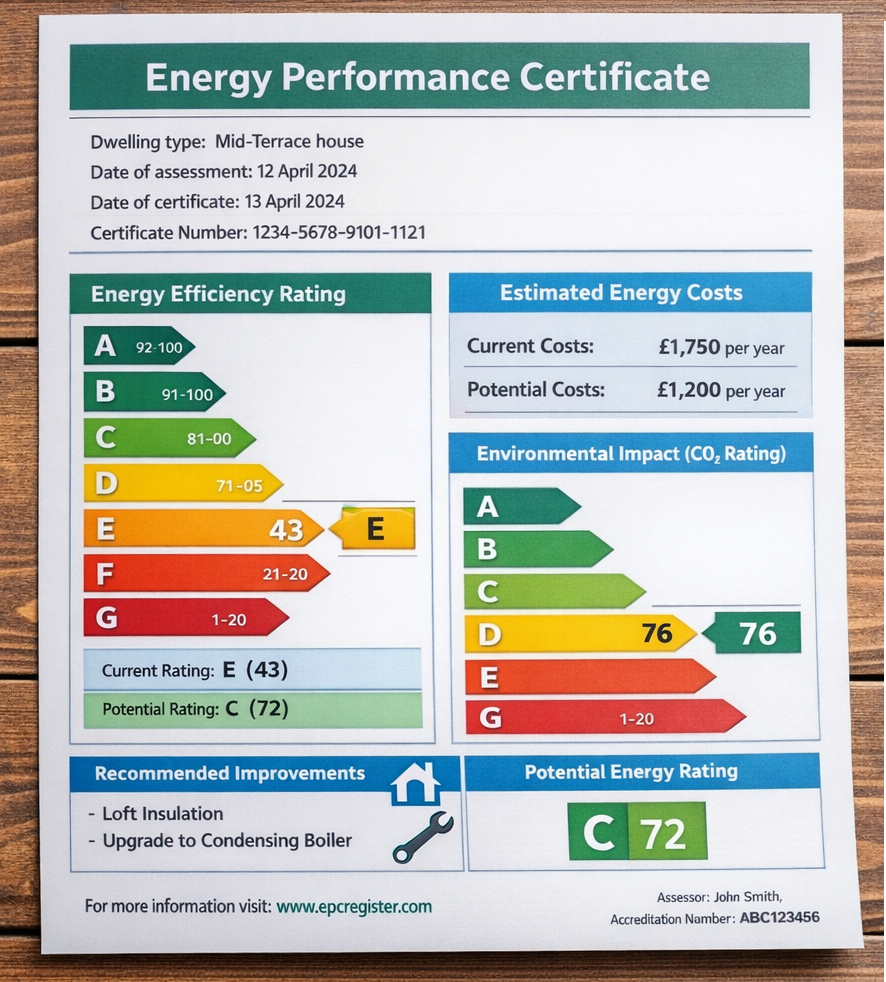
An Energy Performance Certificate, commonly known as an EPC, provides a clear overview of how energy efficient a property is. It grades the property from A to G, with A being the most efficient. Alongside the rating, it also outlines estimated energy costs and practical recommendations that could help improve efficiency.
For landlords in particular, the EPC isn’t just a formality. It plays a direct role in meeting legal obligations and ensuring the property meets minimum energy standards.
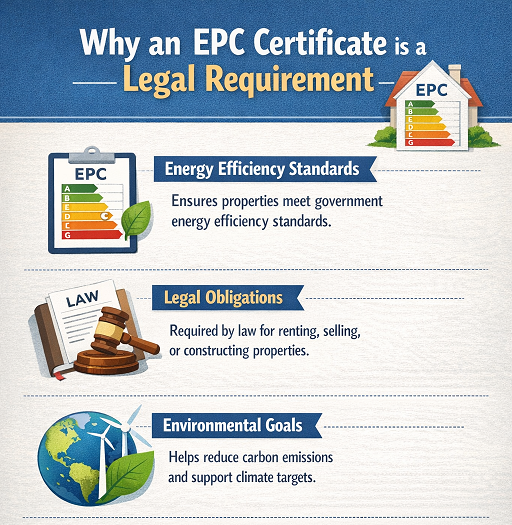
In the UK, having a valid EPC is not optional in most cases. Under current regulations, you must have an EPC in place before marketing a property for sale or rent. This means you can’t legally advertise your property without one.
The requirement comes from the Energy Performance of Buildings (England and Wales) Regulations 2012, which ensures that tenants and buyers are fully informed about the energy efficiency of a property before making a decision.
For landlords, there’s an additional layer of responsibility. Properties generally need to meet a minimum EPC rating of E to be legally rented out. Failing to comply can result in financial penalties and complications with tenancy agreements.
An EPC report is more than just a letter grade. It provides a breakdown of how the property performs in terms of energy use and environmental impact.
Typically, the certificate includes:
This information can be particularly useful when advising landlords or homeowners on simple upgrades that could increase the property’s value or appeal.
The requirement applies to a wide range of property owners. You will need an EPC if you are:
Even if you already own the property, the EPC Certificate Aylesbury must be valid at the time it is marketed. Certificates are valid for 10 years, but many landlords choose to update them earlier to reflect improvements.
Many clients assume the EPC process is complicated, but in reality, it’s quite straightforward.
Once you book an assessment, a qualified energy assessor will visit the property. During the visit, they’ll look at key elements such as:
The inspection usually takes between 30 to 60 minutes, depending on the size of the property. After the visit, the data is processed, and the EPC is lodged on the government register.
In most cases, you’ll receive the certificate within 24 hours.
The cost of an EPC Certificate Aylesbury can vary depending on the size and type of the property, but it is generally affordable.
Typical pricing might look like:
Many providers also offer discounts for landlords with multiple properties or estate agents managing portfolios.
While it might be tempting to go for the cheapest option, it’s always worth choosing an experienced assessor who understands compliance requirements—especially for HMOs.
Common Mistakes Landlords Should Avoid
Over the years, many landlords run into issues simply because they misunderstand EPC requirements. Here are a few common mistakes:
This is one of the most frequent compliance issues and can lead to fines.
If your property is rated F or G, you may not legally be allowed to rent it out.
If you’ve upgraded insulation or installed a new boiler, your EPC should reflect that—it can improve your rating and attract better tenants.
Some landlords wait until the last minute, which can delay marketing or tenancy start dates.
Improving your EPC rating doesn’t always require major investment. In many cases, small changes can make a noticeable difference.
Some common improvements include:
For landlords, even moving from an E rating to a D can make a property more attractive and energy-efficient for tenants.
Although many people see EPCs as just another legal requirement, they actually have a broader impact.
Tenants are becoming more aware of energy costs, especially with rising utility prices. A better EPC rating can make your property more appealing and easier to let.
For sellers, a higher EPC rating can also influence buyer perception. Energy-efficient homes are often seen as more modern, cost-effective, and environmentally responsible.
Not all EPC services are the same. When choosing an assessor, it’s important to consider:
Working with a reliable assessor ensures the process is smooth and avoids unnecessary delays or issues.
The EPC Certificate UK is a small but essential part of property compliance that every landlord and homeowner needs to take seriously. Whether you’re renting out a single flat or managing a portfolio, having an up-to-date EPC keeps you legally protected and helps present your property in the best possible light.
More importantly, it offers a practical insight into how energy efficient your property is—and where improvements can be made.
If handled properly, it’s not just a certificate—it’s a tool that can add value, improve tenant satisfaction, and support long-term property management.
Book Your EPC Certificate Today
Need a fast EPC certificate near you?
Contact Smart Property Service today for a quick quote and same-day availability.
We provide many other great services too, so if you are thinking to help you for Lease Floor Plans, Property Floor Plans, Legionella Risk Assessment, Fire Risk Assessment and EPC (Energy Performance Certificate)